COBAR Design & Architecture
info@cobar.es
Barcelona
Welcome
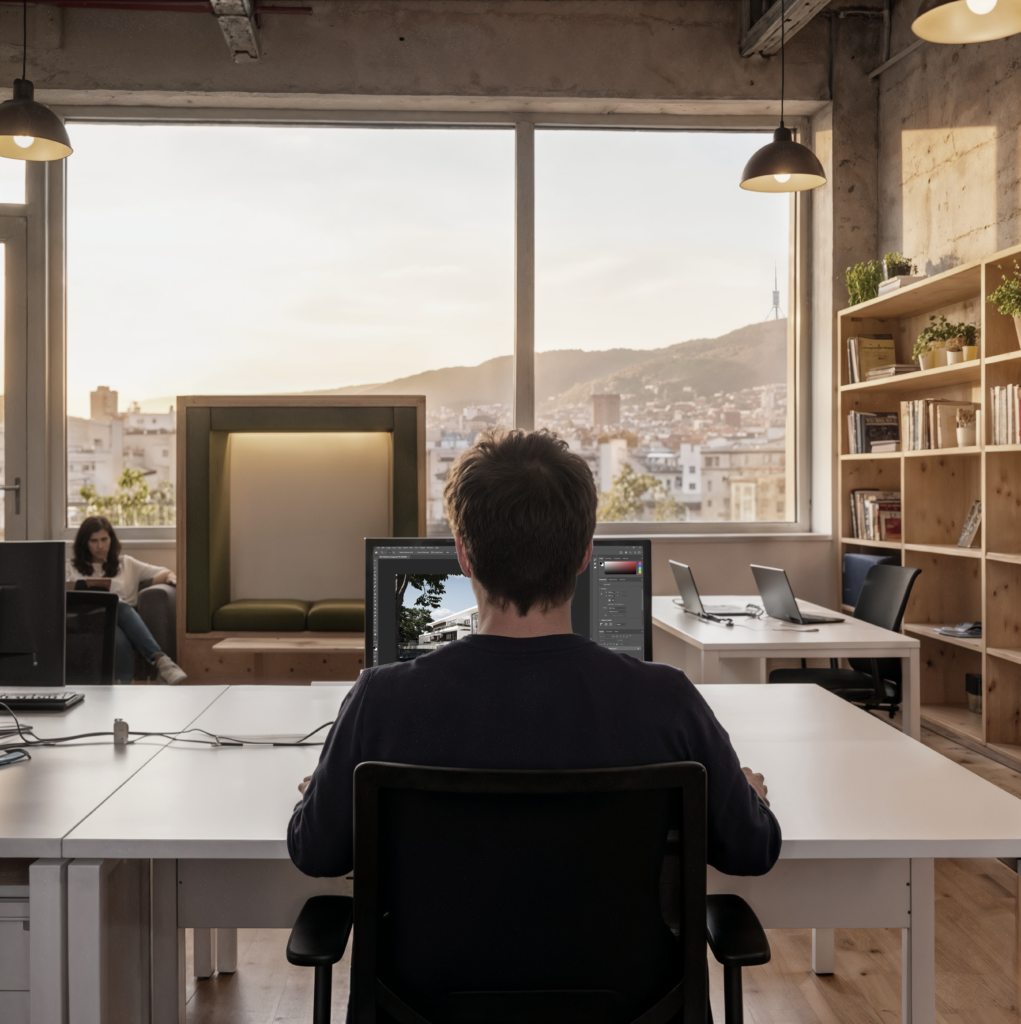
COBAR is a design and architecture studio, born from decades of global experience working alongside some of the most renowned architects of this and the past century. Shaped by iconic projects worldwide, our intent is to distill knowledge into simplicity and craft spaces of enduring quality.
Team
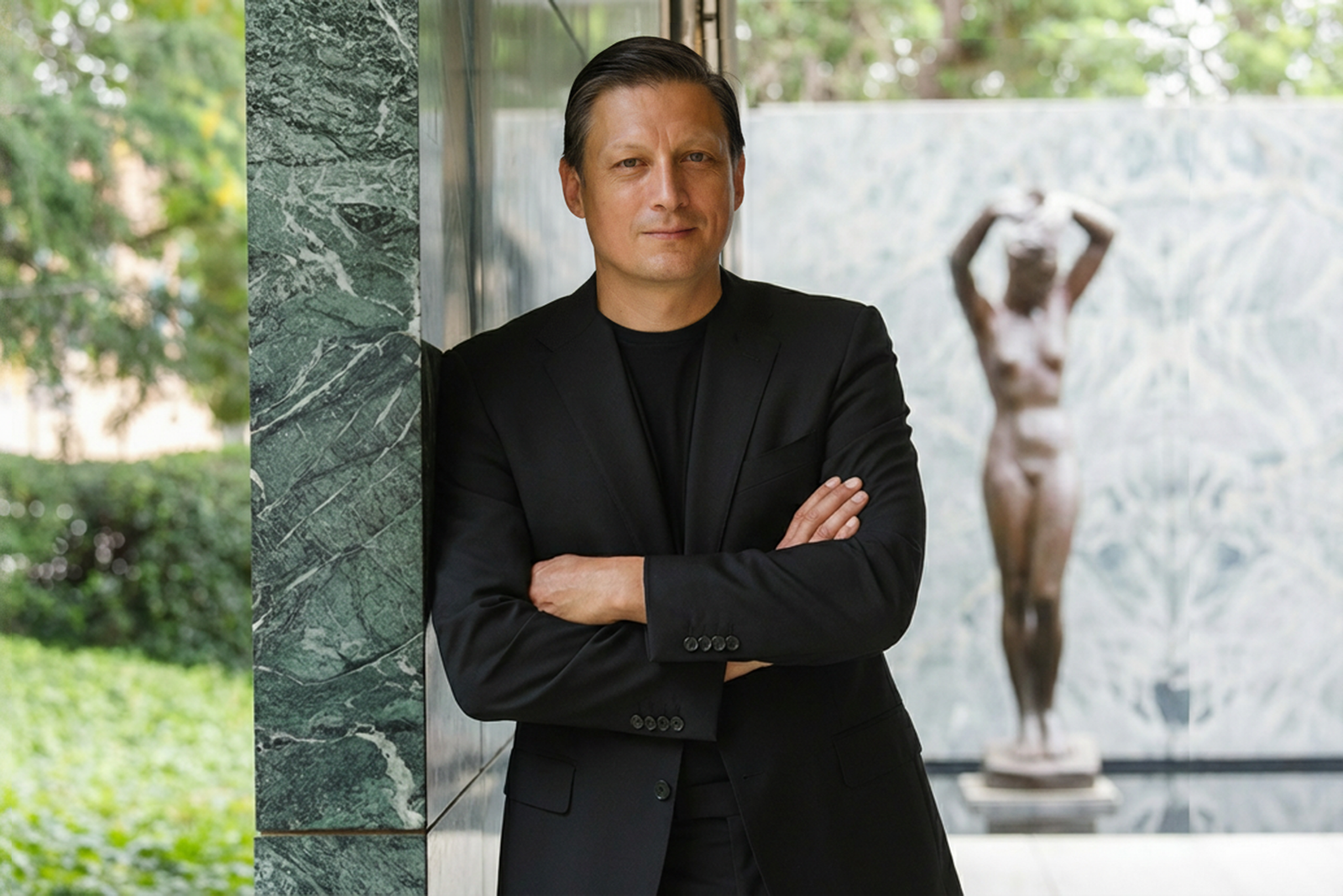
German De la Torre
Managing Director and founder
German De la Torre
Managing Director and founder
He has completed studies in business administration, finance, and leadership, and now serves as a company executive following two decades at globally recognised design and architecture firms including Foster + Partners, Richard Rogers Partnership (both Pritzker Prize–winning practices), Heatherwick Studio, and most recently Bjarke Ingels Group, where he was Managing Director for the Southern Region.
In recent years, German has overseen full company operations and business development across Southern Europe, North Africa, the Mediterranean, and parts of the Middle East.
He has also led the delivery of major global projects including the Google campuses in Mountain View and Sunnyvale (over 5.5 million sq ft), and a major mixed-use masterplan in San Jose, California, covering 85 acres with residential, office, commercial, hotel, event, and infrastructure components.
He has held leadership positions during the development of landmark projects including 3 World Trade Center (New York), Apple Park in Cupertino, California, the Leadenhall Building (London), the Buenos Aires City Hall (formerly a bank headquarters), and the 23-acre Wood Wharf masterplan in London.
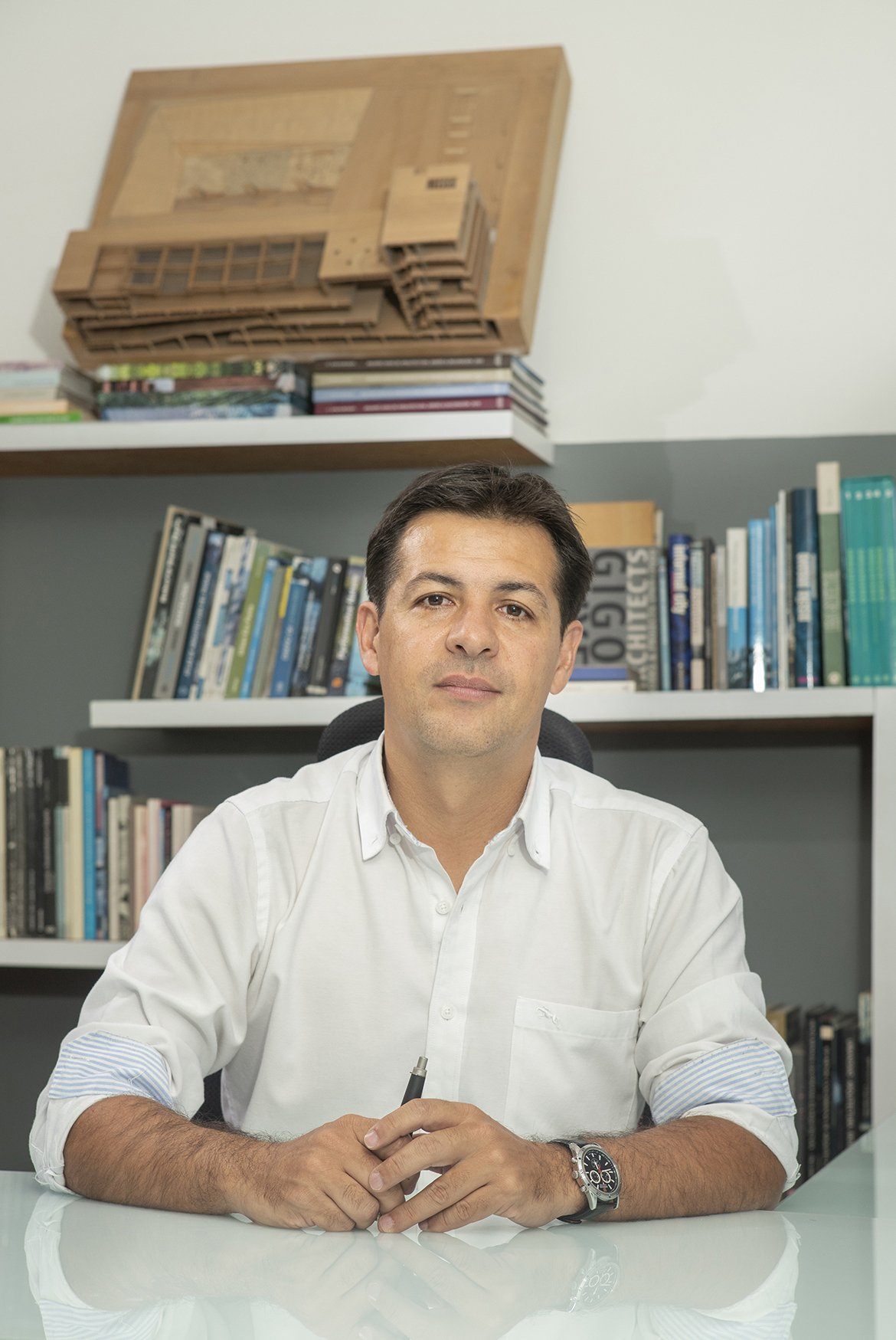
Mauricio Ortega Gómez
Senior Architect & Landscape Specialist
Mauricio Ortega Gómez
Senior Architect & Landscape Specialist
In 2012, he completed a Master’s in Landscape Architecture at ETSAB–UPC and a Master’s in Healthcare Architecture Design at UOC Barcelona. Since 2007, he has been actively teaching at several universities.
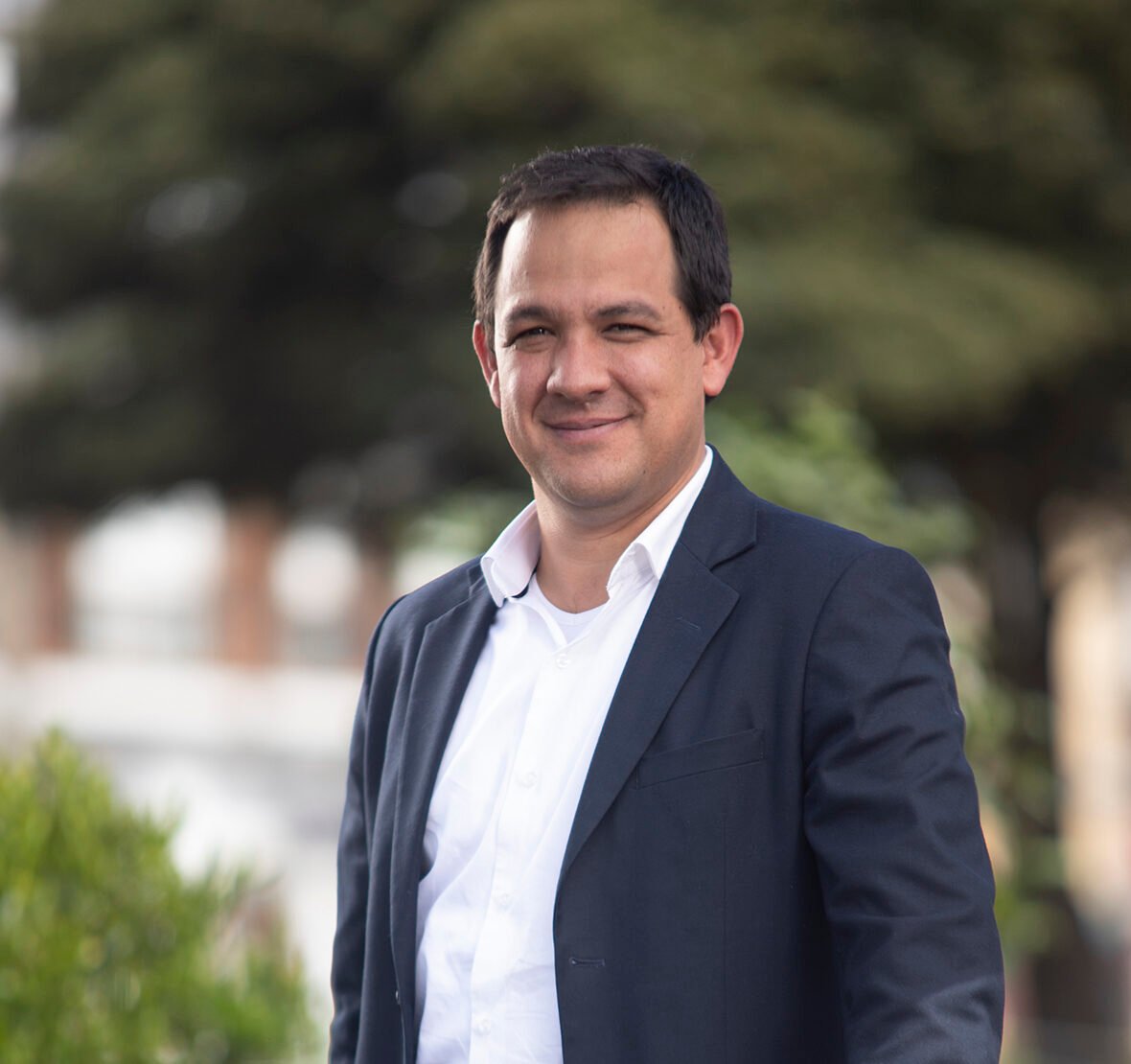
Germán Ortega
Senior Architect & Urbanism Specialist
Germán Ortega
Senior Architect & Urbanism Specialist
He holds a European Master in Urbanism (EMU) from the IUAV University of Venice (2011), a Master’s in Urban Design and Planning from UPC Barcelona (2012), and completed the Advanced Programme in Urban Development Financing Management at Universidad del Rosario (2021).
Since 2013, he has been a professor at an architectural faculty and has served as Municipal Secretary of Planning.
What Cobar Means
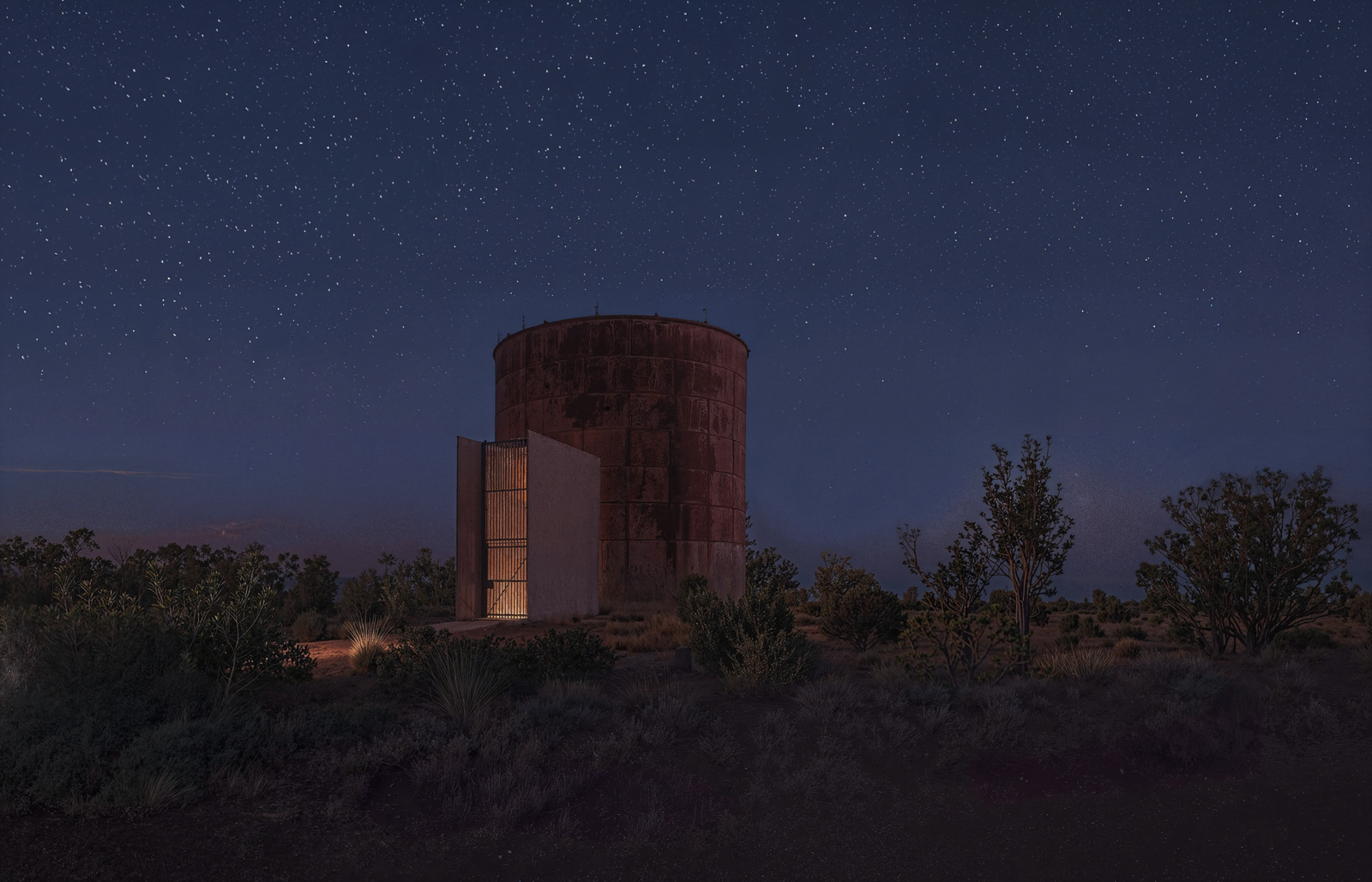
Cobar is in the country of the Ngiyampaa Wangaaypuwan people. In their language, it means “red earth” or “burnt earth.”
Cobar also means architecture to me. In a remote, silent landscape, a small, unassuming chapel gathers art, music, poetry, nature, desire, function, and technique into perfect harmony. Within its walls, a continuous musical composition resonates, shafts of light mark the passing hours, and the rawness of the land embraces its form.
The Cobar Sound Chapel, a small, humble, and inexpensive project in the middle of the outback, was for me an astonishing discovery and revelation. Created by Glenn Murcutt, one of the greatest architects in history, it is a work of absolute clarity. It does not seek to shout its presence to the world through image or spectacle, nor to make a statement of the self, but only to offer homage, respect, and transcendence.
Together with composer Georges Lentz, the Noise String Quartet, and other multifaceted collaborators, they gave form to a perennial creation that materializes everything I have learned and now believe about architecture after decades of practice.
I have been fortunate to work on extraordinary projects across the globe—colossal investments, unparalleled complexities—alongside some of the most renowned architects of our time, such as Richard Rogers, Norman Foster, Thomas Heatherwick, and Bjarke Ingels. Yet no words have conveyed with greater clarity what architecture is to me than the Cobar Sound Chapel.
For me, COBAR carries this discovery as its essence. It is not merely a name, but a reminder of what architecture was truly meant to be, and where I believe it must eventually return: simplicity, presence, and meaning. Toward works that are not loud but lasting. Toward spaces that embody art, science, memory, the soul of their occupants, and life in harmony with the world that sustains them.